Blog · Jun 14, 2026 · 9 min read
Confidential NFT Minting: Privacy-First Digital Asset Creation
Confidential NFT Minting: Privacy-First Digital Asset Creation
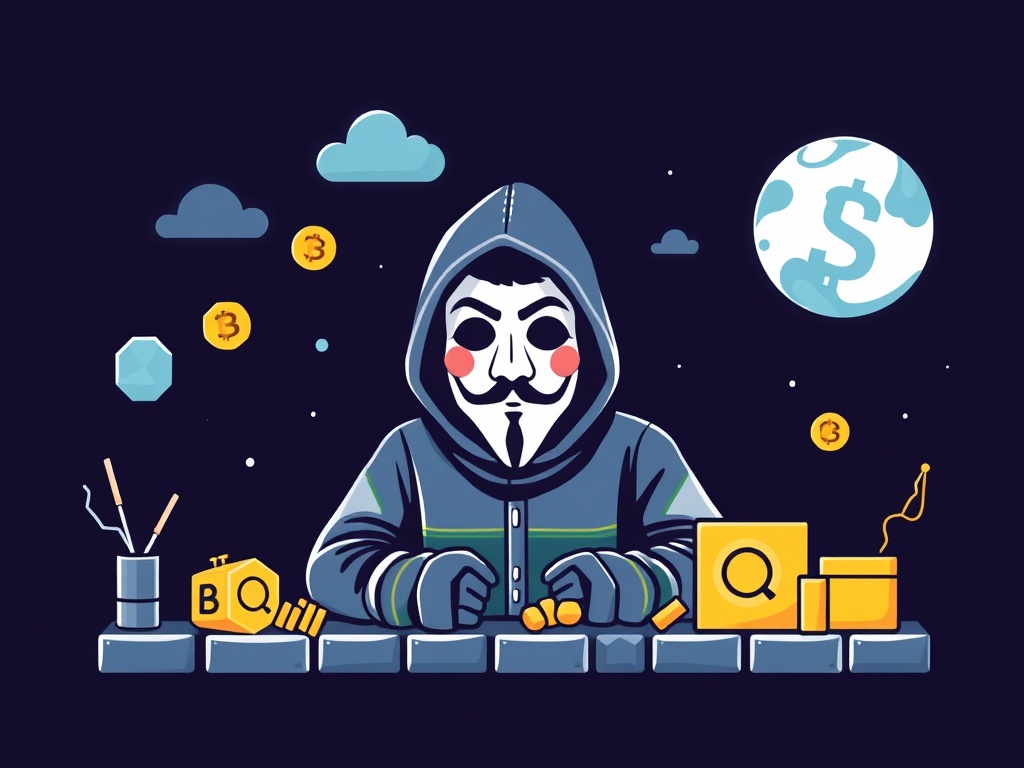
The world of non-fungible tokens has exploded in popularity, but with this growth comes increased scrutiny around privacy and confidentiality. Confidential NFT minting represents a cutting-edge approach to creating digital assets while maintaining the anonymity and security that many collectors and creators desire. This comprehensive guide explores everything you need to know about this innovative minting method.
Understanding the Basics of Confidential NFT Minting
Confidential NFT minting refers to the process of creating non-fungible tokens using privacy-enhancing technologies that obscure transaction details, wallet addresses, and other identifying information. Unlike traditional NFT minting where all transaction data is publicly visible on the blockchain, confidential minting employs various cryptographic techniques to protect user privacy.
The core principle behind confidential NFT minting is simple: you should be able to create, buy, and sell digital assets without exposing your entire financial history or personal information to the public. This approach addresses one of the major criticisms of traditional blockchain technology—the complete transparency that, while beneficial for verification, can compromise user privacy.
How Confidential NFT Minting Differs from Traditional Methods
Traditional NFT minting typically involves connecting your wallet directly to a marketplace, paying gas fees with cryptocurrency from that wallet, and creating a permanent, publicly visible record of the transaction. Every detail—from the wallet address to the transaction amount—becomes part of the public blockchain ledger.
In contrast, confidential NFT minting uses advanced privacy protocols to shield this information. The process might involve zero-knowledge proofs, confidential transactions, or mixing services that obscure the connection between the creator's identity and the minted NFT. This creates a layer of privacy that traditional minting simply cannot provide.
The Technology Behind Confidential NFT Minting
Several sophisticated technologies work together to enable confidential NFT minting. Understanding these technologies helps appreciate why this approach represents such a significant advancement in digital asset creation.
Zero-Knowledge Proofs and Their Role
Zero-knowledge proofs (ZKPs) are cryptographic methods that allow one party to prove to another that a statement is true without revealing any information beyond the validity of the statement itself. In the context of confidential NFT minting, ZKPs enable creators to prove ownership and authenticity without exposing their wallet addresses or transaction details.
For example, a creator can use ZKPs to demonstrate they have sufficient funds to cover minting costs without revealing their actual balance or wallet address. This technology forms the backbone of many confidential minting solutions, providing mathematical guarantees of privacy.
Confidential Transactions and Ring Signatures
Confidential transactions encrypt the amount of cryptocurrency being sent, while ring signatures mix a user's transaction with others to obscure the true source. When combined in confidential NFT minting, these technologies ensure that neither the cost of minting nor the origin of funds can be easily traced.
Ring signatures work by creating a group of possible signers for each transaction. External observers cannot determine which member of the group actually initiated the transaction, providing plausible deniability and enhanced privacy for NFT creators.
Benefits of Confidential NFT Minting
The advantages of confidential NFT minting extend beyond simple privacy concerns. This approach offers multiple benefits for creators, collectors, and the broader NFT ecosystem.
Enhanced Privacy for Creators and Collectors
Privacy represents the most obvious benefit of confidential minting. Artists and creators often prefer to keep their financial activities private, especially when dealing with significant sums. Confidential NFT minting allows them to participate in the NFT economy without exposing their entire transaction history to public scrutiny.
Collectors also benefit from enhanced privacy. When purchasing NFTs, buyers may not want their acquisitions to be publicly linked to their primary wallet addresses. Confidential minting provides this separation, allowing for more discreet collecting activities.
Protection Against Front-Running and MEV Attacks
Front-running occurs when malicious actors detect pending transactions and attempt to profit by submitting competing transactions with higher gas fees. MEV (Maximum Extractable Value) attacks are more sophisticated versions of this concept. Confidential NFT minting makes these attacks significantly more difficult by obscuring transaction details until after completion.
This protection is particularly valuable during high-demand NFT drops, where milliseconds can make the difference between successfully minting a valuable NFT and missing out entirely.
Platforms Supporting Confidential NFT Minting
Several platforms and protocols have emerged to support confidential NFT minting. Each offers different approaches and features, catering to various privacy needs and technical requirements.
Privacy-Focused Blockchain Networks
Some blockchain networks are specifically designed with privacy as a core feature. These networks often support confidential NFT minting natively, providing built-in privacy protections for all transactions and smart contract interactions.
Networks like Secret Network and Oasis Network offer confidential smart contracts that can create NFTs with encrypted metadata. This means not only are the transaction details private, but the actual content of the NFT—images, descriptions, and other metadata—can also be encrypted and only accessible to the owner.
Layer-2 Solutions with Privacy Features
Layer-2 scaling solutions are increasingly incorporating privacy features to support confidential NFT minting. These solutions build on existing blockchains like Ethereum but add privacy layers that can obscure transaction details while maintaining the security guarantees of the underlying network.
ZK-rollups, for instance, can batch multiple transactions together and use zero-knowledge proofs to verify their validity without revealing individual transaction details. This technology is particularly promising for confidential NFT minting at scale.
The Process of Confidential NFT Minting
Understanding the step-by-step process of confidential NFT minting helps demystify this technology and shows how it compares to traditional minting methods.
Preparation and Setup
The first step in confidential NFT minting involves setting up the necessary privacy infrastructure. This might include creating dedicated privacy wallets, acquiring the appropriate privacy-focused cryptocurrencies, and connecting to platforms that support confidential minting.
Unlike traditional minting where you might simply connect your MetaMask wallet to OpenSea, confidential NFT minting often requires additional setup steps. You might need to use specialized wallets that support privacy features or go through additional verification steps to ensure the confidentiality of your minting process.
The Minting Process Itself
Once prepared, the actual minting process for confidential NFTs follows a similar pattern to traditional minting but with privacy-preserving steps integrated throughout. You'll typically upload your digital asset, provide metadata (which may itself be encrypted), and initiate the minting transaction.
The key difference is that confidential NFT minting uses privacy-preserving transaction methods. Instead of a direct, publicly visible transaction from your wallet to the minting contract, the process might involve mixing services, confidential transactions, or other privacy-enhancing techniques that obscure the connection between your identity and the minted NFT.
Challenges and Considerations
While confidential NFT minting offers significant advantages, it also comes with challenges and considerations that creators and collectors should understand before adopting this approach.
Technical Complexity
Confidential NFT minting generally involves more technical complexity than traditional methods. The additional privacy features require more sophisticated setup, potentially more technical knowledge, and sometimes higher costs due to the computational resources required for privacy-preserving cryptography.
This complexity can be a barrier for less technical creators who might find traditional NFT minting platforms more accessible. However, as the technology matures, user interfaces are improving to make confidential NFT minting more accessible to a broader audience.
Regulatory Considerations
The privacy features of confidential NFT minting can create regulatory challenges. Many jurisdictions require financial transparency and have Know Your Customer (KYC) requirements that might conflict with the anonymity provided by confidential minting.
Creators and platforms engaging in confidential NFT minting need to be aware of their local regulations and ensure compliance. This might mean implementing additional verification steps for certain types of transactions or limiting confidential minting features in regulated contexts.
The Future of Confidential NFT Minting
The field of confidential NFT minting is rapidly evolving, with new technologies and approaches emerging regularly. Understanding current trends helps predict where this technology might be headed.
Integration with Decentralized Identity
One promising direction for confidential NFT minting is integration with decentralized identity systems. These systems would allow creators to prove their identity or credentials when necessary while maintaining privacy in other contexts.
For example, a creator might use a decentralized identity to verify they are a human (preventing bots from minting) or to prove they have certain credentials, all without revealing their actual identity. This selective disclosure represents a sophisticated approach to balancing privacy with necessary verification.
Cross-Chain Confidential Minting
As the blockchain ecosystem becomes more interconnected, cross-chain confidential NFT minting is becoming increasingly important. Technologies that allow confidential NFTs to move between different blockchains while maintaining their privacy features will be crucial for the technology's widespread adoption.
This cross-chain capability would allow creators to take advantage of different blockchains' unique features while maintaining consistent privacy protections across the entire ecosystem.
Best Practices for Confidential NFT Minting
For those interested in exploring confidential NFT minting, following best practices helps ensure both effective privacy protection and a smooth user experience.
Choosing the Right Platform
Not all platforms that claim to offer confidential minting provide the same level of privacy. Research platforms thoroughly, understanding exactly what privacy features they offer and any limitations or trade-offs involved.
Look for platforms with strong security track records, transparent privacy policies, and active development communities. The best platforms for confidential NFT minting will be those that continue to innovate and improve their privacy features over time.
Maintaining Operational Security
Even with confidential minting, operational security remains important. This includes using secure internet connections, protecting private keys, using dedicated wallets for NFT activities, and being cautious about sharing information that could compromise your privacy.
Remember that confidential NFT minting provides strong privacy protections, but it works best when combined with good security practices on the user's part.
Conclusion
Confidential NFT minting represents a significant evolution in digital asset creation, offering privacy protections that address many concerns about traditional blockchain transparency. As the technology continues to mature and become more accessible, it has the potential to reshape how creators and collectors interact with the NFT ecosystem.
While challenges remain, particularly around technical complexity and regulatory compliance, the benefits of confidential minting—enhanced privacy, protection against front-running, and greater control over personal information—make it an increasingly attractive option for many in the NFT space. As privacy becomes an ever more important concern in our digital world, confidential NFT minting offers a path forward that respects both the transparency benefits of blockchain technology and the privacy rights of users.

David Chen
Digital Assets Strategist
Confidential NFT Minting: A Strategic Perspective
As a Digital Assets Strategist with extensive experience in both traditional finance and cryptocurrency markets, I've been closely monitoring the emergence of confidential NFT minting. This innovative approach to NFT creation represents a significant evolution in how we think about digital asset privacy and market dynamics. By allowing creators to mint NFTs without revealing certain metadata or ownership details until a predetermined time, confidential minting introduces new possibilities for strategic asset management and market positioning.
From a quantitative perspective, confidential NFT minting presents both opportunities and challenges for portfolio optimization. The ability to control information flow can create unique arbitrage opportunities and influence market microstructure in ways we're only beginning to understand. However, it's crucial to consider the implications for on-chain analytics and market transparency. As someone who relies heavily on data-driven insights, I'm particularly interested in how this technology will impact our ability to analyze market trends and make informed investment decisions. The key will be finding the right balance between privacy and the need for market efficiency.
Looking ahead, I believe confidential NFT minting will play a significant role in shaping the future of digital asset markets. It offers a compelling solution for creators and collectors who value privacy while still maintaining the benefits of blockchain technology. However, as with any emerging technology, it's essential to approach it with a critical eye and consider its long-term implications for market structure and investor behavior. As we continue to explore this space, I'm excited to see how confidential minting will influence portfolio strategies and contribute to the maturation of the NFT ecosystem.