
Blog · Jun 14, 2026 · 8 min read
Private Solo Mining: A Comprehensive Guide to Independent Cryptocurrency Mining
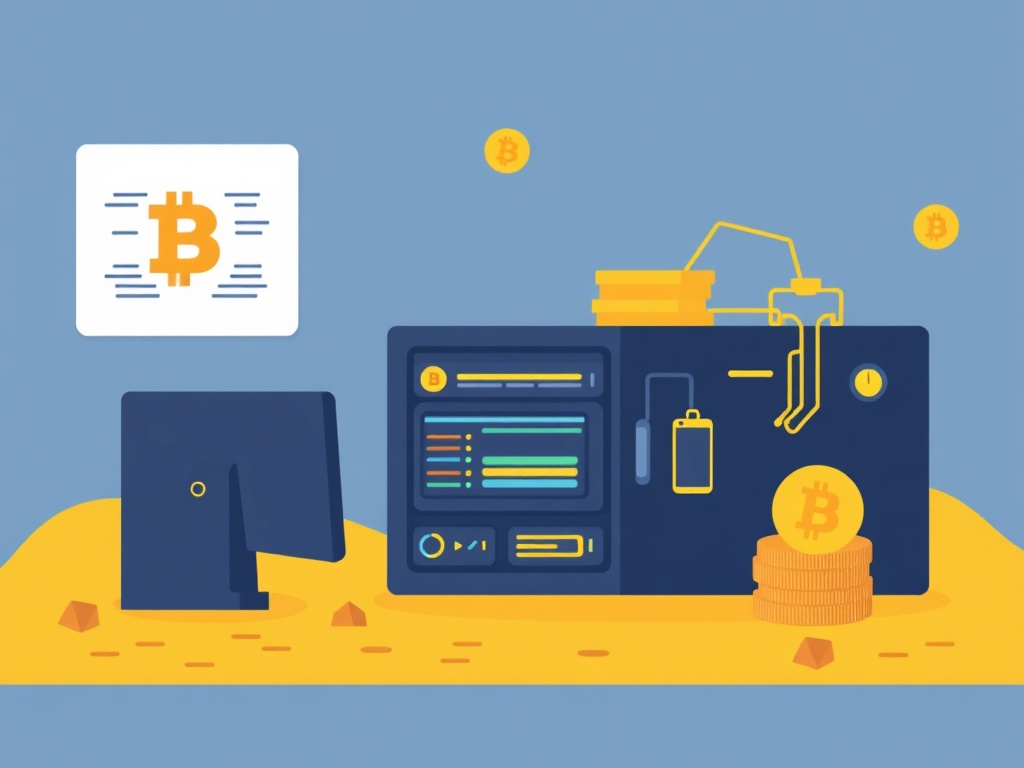
Private Solo Mining: A Comprehensive Guide to Independent Cryptocurrency Mining
Private solo mining represents one of the most fundamental approaches to cryptocurrency mining, where an individual miner operates independently without joining a mining pool. This method allows miners to have complete control over their mining operations, from hardware selection to reward distribution. Unlike pool mining, where rewards are shared among participants, private solo mining offers the potential for full block rewards when successful.
Understanding the Basics of Private Solo Mining
Private solo mining involves using your own computational resources to solve complex mathematical problems that validate transactions on a blockchain network. When you successfully solve a block, you receive the entire block reward plus transaction fees, without having to share with other miners. This approach requires significant computational power and patience, as the chances of solving a block independently are lower compared to pooled efforts.
How Private Solo Mining Works
The process begins with setting up mining software that connects directly to the blockchain network. Your mining hardware competes with every other miner on the network to find the correct hash for the next block. When your hardware finds a valid solution before anyone else, you broadcast it to the network and claim the full reward. The probability of success depends on your hash rate relative to the total network hash rate.
Key Components Required
Successful private solo mining requires several essential components: high-performance mining hardware (ASICs for Bitcoin or powerful GPUs for other cryptocurrencies), reliable internet connectivity, adequate cooling systems, and mining software compatible with your chosen cryptocurrency. Additionally, you'll need a secure wallet to receive your mining rewards and sufficient electrical infrastructure to power your mining operation.
Advantages of Private Solo Mining
Private solo mining offers several compelling benefits for miners who have the resources and technical expertise to pursue this approach. Understanding these advantages can help you determine if solo mining aligns with your mining goals and capabilities.
Full Reward Retention
The most significant advantage of private solo mining is that you keep 100% of the block rewards and transaction fees when you successfully mine a block. Unlike pool mining where rewards are distributed among participants, solo miners receive the entire payout. This can be particularly lucrative when mining cryptocurrencies with substantial block rewards or during periods of high transaction volume.
Complete Operational Control
Solo miners maintain complete autonomy over their mining operations. You choose which cryptocurrency to mine, when to mine, which software to use, and how to configure your hardware. This level of control allows for optimization based on your specific circumstances and preferences, without having to conform to pool rules or share sensitive information with pool operators.
Enhanced Privacy and Security
Private solo mining offers superior privacy compared to pool mining. Since you're not sharing your mining activities with a pool operator or other participants, there's less exposure of your mining patterns and wallet addresses. Additionally, you eliminate the risk of pool hacks or mismanagement that could affect your earnings.
Challenges and Considerations
While private solo mining offers attractive benefits, it also presents significant challenges that miners must carefully consider before embarking on this path. Understanding these challenges is crucial for making informed decisions about your mining strategy.
Lower Probability of Success
The primary challenge of private solo mining is the significantly lower probability of successfully mining a block compared to pool mining. When mining Bitcoin, for example, a solo miner with a modest setup might only solve a block once every several years, depending on the network difficulty and their hash rate. This requires patience and the financial stability to maintain operations during potentially long dry spells.
Higher Initial Investment
To increase your chances of success in private solo mining, you typically need to invest in substantial mining hardware. For Bitcoin mining, this often means purchasing multiple high-end ASIC miners, which can cost thousands of dollars each. The initial capital requirement can be prohibitive for many miners, especially when compared to the lower barriers to entry for pool mining.
Technical Expertise Requirements
Private solo mining demands a higher level of technical knowledge compared to other mining approaches. You need to understand blockchain technology, mining software configuration, network settings, hardware maintenance, and troubleshooting. This technical barrier can be challenging for newcomers to the cryptocurrency space.
Setting Up Your Private Solo Mining Operation
Establishing a successful private solo mining operation requires careful planning and execution. This section outlines the key steps and considerations for setting up your independent mining venture.
Hardware Selection and Configuration
Choosing the right hardware is critical for private solo mining success. For Bitcoin, ASIC miners are essential due to their superior efficiency compared to GPUs. Popular models include the Bitmain Antminer series and MicroBT Whatsminer series. When selecting hardware, consider factors such as hash rate, power efficiency, initial cost, and availability. Ensure your electrical infrastructure can support the power demands of your mining equipment, and implement robust cooling solutions to prevent overheating.
Software Setup and Optimization
Selecting and configuring the appropriate mining software is crucial for maximizing your mining efficiency. Popular options include CGMiner, BFGMiner, and manufacturer-specific software for ASIC miners. Configure your software to connect directly to the cryptocurrency's network rather than through a pool. Optimize settings such as thread concurrency, intensity, and worksize to achieve the best performance from your hardware. Regularly update your software to benefit from performance improvements and security patches.
Network Configuration and Security
Proper network configuration ensures stable connectivity to the blockchain network. Set up port forwarding on your router to allow incoming connections, which helps strengthen the network and can improve your mining efficiency. Implement security measures such as firewalls and regular software updates to protect your mining operation from potential threats. Consider using a dedicated internet connection for your mining operation to ensure consistent connectivity.
Best Practices for Private Solo Mining Success
Implementing best practices can significantly improve your chances of success in private solo mining. These strategies help optimize your operation and manage the inherent risks of solo mining.
Choosing the Right Cryptocurrency
Selecting an appropriate cryptocurrency for solo mining is crucial. Consider factors such as network difficulty, block reward size, market value, and community support. Some cryptocurrencies with lower network difficulty may offer better solo mining opportunities, especially for miners with limited hash power. Research emerging cryptocurrencies that might present favorable mining conditions before they become too competitive.
Monitoring and Maintenance
Regular monitoring and maintenance are essential for maximizing your mining efficiency and hardware longevity. Implement monitoring tools to track hash rate, temperature, power consumption, and other vital metrics. Perform routine maintenance such as cleaning dust from hardware, checking cable connections, and updating firmware. Address any issues promptly to minimize downtime and maintain optimal performance.
Financial Planning and Risk Management
Develop a comprehensive financial plan that accounts for the unpredictable nature of solo mining rewards. Calculate your break-even point based on hardware costs, electricity expenses, and potential earnings. Maintain sufficient capital reserves to cover operational costs during periods without block rewards. Consider diversifying your mining portfolio across multiple cryptocurrencies to spread risk and potentially increase your chances of success.
Comparing Private Solo Mining to Other Approaches
Understanding how private solo mining compares to other mining methods can help you make informed decisions about your mining strategy. This section examines the key differences between solo mining and alternative approaches.
Solo Mining vs. Pool Mining
Pool mining involves combining resources with other miners to increase the frequency of finding blocks, with rewards distributed based on each participant's contribution. While pool mining offers more consistent, smaller payouts, private solo mining provides the potential for larger, less frequent rewards. Solo mining requires more patience and resources but offers complete control and potentially higher returns when successful.
Solo Mining vs. Cloud Mining
Cloud mining allows individuals to rent mining hardware or hash power from remote data centers, eliminating the need for physical hardware management. While cloud mining reduces technical complexity and upfront costs, it typically involves ongoing fees and less control over the mining process. Private solo mining requires more hands-on involvement but offers greater control and potentially higher long-term profitability.
Future Outlook for Private Solo Mining
The landscape of private solo mining continues to evolve as cryptocurrency technology advances and network difficulty increases. Understanding current trends and future developments can help miners adapt their strategies for long-term success.
Technological Advancements
Ongoing improvements in mining hardware efficiency and software optimization continue to shape the private solo mining landscape. Newer ASIC models offer higher hash rates with lower power consumption, potentially making solo mining more accessible to individual miners. Advances in cooling technology and renewable energy integration may also help reduce operational costs and environmental impact.
Network Difficulty Trends
As more miners join cryptocurrency networks, difficulty levels typically increase, making solo mining more challenging. However, some cryptocurrencies implement difficulty adjustment algorithms that can create opportunities for solo miners during certain periods. Staying informed about network difficulty trends and understanding how different cryptocurrencies manage difficulty adjustments can help you identify favorable mining conditions.
Regulatory Considerations
The regulatory environment for cryptocurrency mining continues to develop across different jurisdictions. Some regions have implemented favorable policies for miners, while others have imposed restrictions or higher energy costs. Staying informed about regulatory changes and choosing appropriate locations for mining operations can significantly impact the viability of private solo mining ventures.
Conclusion
Private solo mining represents a challenging but potentially rewarding approach to cryptocurrency mining. While it requires significant technical expertise, financial investment, and patience, it offers unique advantages in terms of reward retention, operational control, and privacy. Success in private solo mining depends on careful planning, continuous optimization, and a thorough understanding of the cryptocurrency mining landscape. As the industry evolves, miners who stay informed about technological advancements and market trends will be best positioned to succeed in this competitive field.

David Chen
Digital Assets Strategist
Private Solo Mining: A Strategic Perspective
As a Digital Assets Strategist with extensive experience in both traditional finance and cryptocurrency markets, I've observed that private solo mining represents a unique approach to cryptocurrency acquisition that deserves careful consideration. While pool mining has become the dominant method for most miners due to its consistent payouts, private solo mining offers distinct advantages for those with the technical capability and risk tolerance to pursue it. The primary appeal lies in the potential for full block rewards without sharing with other participants, though this comes with the inherent volatility of potentially long periods without rewards.
From a portfolio optimization standpoint, private solo mining can be viewed as a high-variance, high-reward strategy that may complement more stable income-generating activities. The key to successful private solo mining lies in understanding your hash rate relative to the network difficulty and maintaining consistent uptime. For those with substantial mining operations, the economics can be compelling - particularly when considering that solo miners don't pay pool fees and have complete control over their mining strategy. However, it's crucial to implement robust monitoring systems and have contingency plans for hardware failures, as any downtime directly impacts potential earnings.
Based on on-chain analytics and market microstructure observations, I recommend private solo mining primarily for operations with significant hash power (typically above 1 PH/s for Bitcoin) or those mining less competitive cryptocurrencies where the network difficulty allows for more frequent block discoveries. The strategy requires a sophisticated understanding of network dynamics and the ability to weather extended periods without rewards. For most participants, a hybrid approach combining pool mining for steady income with selective solo mining for potential larger rewards often provides the optimal balance between risk and return in a diversified mining portfolio.