Blog · Aug 11, 2026 · 9 min read
Understanding Cold Wallet Payout: A Comprehensive Guide to Secure Cryptocurrency Transactions
Understanding Cold Wallet Payout: A Comprehensive Guide to Secure Cryptocurrency Transactions
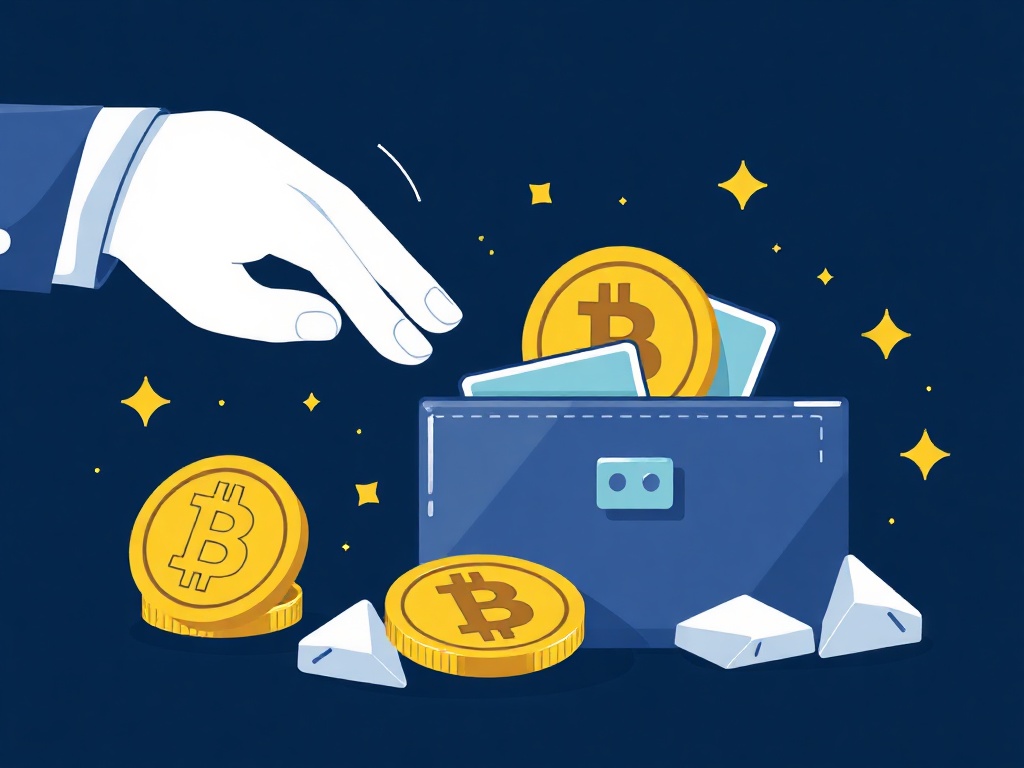
In the rapidly evolving world of cryptocurrency, the concept of a cold wallet payout has become a critical topic for users and businesses alike. As digital assets continue to gain mainstream adoption, ensuring the security and efficiency of transactions is paramount. A cold wallet payout refers to the process of transferring funds from a cold wallet—an offline storage solution—to a user’s account or another wallet. This method is often preferred for its enhanced security, as it minimizes exposure to online threats. However, understanding how cold wallet payouts work, their benefits, and potential risks is essential for anyone involved in cryptocurrency management.
What is a Cold Wallet Payout?
The Basics of Cold Wallets
A cold wallet is a type of cryptocurrency storage that operates offline, meaning it is not connected to the internet. This isolation from online networks makes it significantly less vulnerable to hacking attempts compared to hot wallets, which are internet-connected. Cold wallets can take various forms, including hardware devices like USB drives or specialized hardware wallets such as Ledger or Trezor. These devices store private keys—the cryptographic keys required to access and transfer funds—offline, ensuring that even if a user’s computer or network is compromised, their assets remain secure.
When a cold wallet payout is initiated, the funds are transferred from this offline storage to a designated recipient. This process typically involves a series of steps that require physical interaction with the cold wallet device, adding an extra layer of security. For instance, a user might need to confirm the transaction on the device itself before the funds are released. This method is particularly popular among individuals and businesses that hold large amounts of cryptocurrency, as it reduces the risk of theft or unauthorized access.
Why Cold Wallet Payouts Matter
The importance of cold wallet payouts lies in their ability to protect digital assets from cyber threats. In an era where hacking incidents and exchange breaches are common, relying on cold storage for payouts offers a robust defense mechanism. Unlike hot wallets, which are susceptible to phishing attacks or malware, cold wallets require physical access to initiate transactions. This makes them an ideal choice for long-term storage and high-value transfers.
Additionally, cold wallet payouts are often used in scenarios where regulatory compliance is a concern. For example, businesses that handle large volumes of cryptocurrency may be required to use cold storage solutions to meet anti-money laundering (AML) and know-your-customer (KYC) regulations. By implementing a cold wallet payout process, these entities can ensure that their transactions are traceable and secure, aligning with legal requirements while safeguarding their assets.
How Cold Wallet Payouts Work
The Process of Initiating a Payout
Initiating a cold wallet payout involves several steps that ensure the transaction is both secure and accurate. The first step is to access the cold wallet device, which is typically a hardware wallet or a physical storage medium. Once the device is connected to a computer or a trusted interface, the user can view the balance and initiate a transfer. This process often requires the user to enter a PIN or confirm the transaction on the device itself, adding an additional security layer.
Once the transaction is confirmed, the funds are transferred from the cold wallet to the recipient’s wallet address. This transfer is usually executed through a blockchain network, where the transaction is recorded and verified by miners or validators. The recipient then receives the funds in their designated wallet, which can be a hot wallet or another cold wallet. The entire process is designed to be transparent, with each step requiring user confirmation to prevent unauthorized actions.
Security Measures During Payout
Security is a cornerstone of cold wallet payouts, and several measures are in place to protect the process. One of the key features is the requirement for physical interaction with the cold wallet device. This means that even if a hacker gains access to a user’s computer or network, they cannot initiate a payout without physically accessing the device. Additionally, many cold wallets use advanced encryption techniques to secure the private keys stored on the device, making it extremely difficult for unauthorized parties to access the funds.
Another security measure is the use of multi-factor authentication (MFA) during the payout process. Some cold wallet providers require users to verify their identity through multiple channels, such as a PIN, a biometric scan, or a secondary device. This ensures that only authorized individuals can approve a cold wallet payout, reducing the risk of fraud or theft. Furthermore, the offline nature of cold wallets means that they are not exposed to online threats such as phishing or malware, which are common in hot wallet environments.
Security Considerations for Cold Wallet Payouts
Protecting Your Private Keys
The security of a cold wallet payout hinges on the protection of private keys. Private keys are the digital equivalent of a password, and they grant access to the funds stored in a cold wallet. If these keys are compromised, an attacker could potentially drain the wallet’s contents. To mitigate this risk, users must store their private keys in a secure, offline environment. This could involve keeping the cold wallet device in a safe or using a dedicated hardware wallet that is not connected to the internet.
It is also crucial to avoid sharing private keys with anyone, even if they claim to be a trusted party. Scammers often pose as customer support or service providers to trick users into revealing their keys. Additionally, users should regularly back up their private keys in a secure location, such as a physical copy stored in a safe. This ensures that even if the cold wallet device is lost or damaged, the funds can still be recovered.
Avoiding Common Security Threats
While cold wallets are inherently secure, they are not entirely immune to threats. One common risk is the possibility of physical theft. If a cold wallet device is stolen, an attacker could potentially gain access to the private keys stored on it. To address this, users should consider using cold wallets with additional security features, such as biometric authentication or tamper-proof casing. Additionally, it is advisable to store the cold wallet in a secure location, such as a safe or a locked cabinet, to prevent unauthorized access.
Another threat to consider is the risk of human error. Mistakes during the payout process, such as entering the wrong recipient address or confirming a transaction prematurely, can lead to irreversible losses. To minimize this risk, users should double-check all details before initiating a cold wallet payout. This includes verifying the recipient’s wallet address, the amount to be transferred, and the transaction fees. Some cold wallet providers also offer transaction confirmation features that allow users to review the details before finalizing the payout.
Best Practices for Managing Cold Wallet Payouts
Regular Audits and Monitoring
To ensure the continued security of cold wallet payouts, regular audits and monitoring are essential. Users should periodically review their cold wallet balances and transaction history to detect any unauthorized activity. This can be done by connecting the cold wallet to a trusted computer or using a blockchain explorer to track transactions. By maintaining a close eye on their assets, users can quickly identify and address any suspicious behavior.
Additionally, businesses that handle multiple cold wallets should implement a centralized monitoring system. This system can track all payouts and flag any anomalies, such as unusually large transactions or multiple payouts to the same address. By leveraging technology to monitor cold wallet activity, users can enhance their security posture and reduce the likelihood of fraud or theft.
Choosing the Right Cold Wallet Service
Selecting a reliable cold wallet service is another critical factor in ensuring secure payouts. Not all cold wallet providers offer the same level of security or customer support. When choosing a service, users should look for features such as strong encryption, multi-factor authentication, and a proven track record of security. It is also important to research the provider’s reputation, including reviews from other users and any past security incidents.
For businesses, it may be beneficial to work with a cold wallet provider that offers enterprise-grade security solutions. These providers often have advanced features such as customizable access controls, audit trails, and compliance certifications. By partnering with a trusted cold wallet service, users can ensure that their cold wallet payout processes are both secure and efficient.
Common Issues and Solutions in Cold Wallet Payouts
Delays in Payout
One of the most common issues associated with cold wallet payouts is the potential for delays. Since cold wallets are offline, the process of initiating a payout can sometimes take longer than with hot wallets. This delay can be caused by several factors, including the time required to physically access the cold wallet device, the need for multiple confirmations, or network congestion on the blockchain.
To mitigate delays, users should plan ahead and ensure that their cold wallet is readily accessible when a payout is needed. This might involve keeping the device in a secure but easily reachable location. Additionally, users can consider using a secondary cold wallet or a hot wallet for smaller, more frequent transactions to avoid bottlenecks. Some cold wallet providers also offer expedited payout options for an additional fee, which can be useful in time-sensitive situations.
Lost Funds Due to Errors
Another potential issue is the loss of funds due to errors during the payout process. This can occur if a user accidentally sends funds to the wrong address or confirms a transaction without verifying the details. Since blockchain transactions are irreversible, any mistake can result in permanent loss of funds.
To prevent such errors, users should always double-check all details before initiating a cold wallet payout. This includes verifying the recipient’s wallet address, the amount to be transferred, and the transaction fees. Some cold wallet providers offer features like transaction confirmation screens or test transactions, which allow users to simulate a payout before finalizing it. Additionally, educating users about common pitfalls and best practices can significantly reduce the risk of errors.
Conclusion
In conclusion, a cold wallet payout is a secure and reliable method for transferring cryptocurrency funds. By leveraging the offline nature of cold wallets, users can protect their assets from online threats while ensuring that transactions are executed with precision. However, the security and efficiency of cold wallet payouts depend on proper implementation, regular monitoring, and adherence to best practices. As the cryptocurrency landscape continues to evolve, understanding and utilizing cold wallet payouts will remain a vital component of digital asset management. Whether for individual users or businesses, the ability to securely execute a cold wallet payout is a key factor in safeguarding valuable digital assets in an increasingly digital world.

Sarah Mitchell
Blockchain Research Director
Cold Wallet Payout: A Critical Component of Secure and Scalable Blockchain Transactions
From my perspective as a Blockchain Research Director with a focus on smart contract security and tokenomics, the concept of a "cold wallet payout" represents a significant advancement in how value is transferred within decentralized systems. Cold wallets, by design, operate offline, which inherently reduces exposure to cyber threats compared to hot wallets. This makes them particularly valuable for high-value payouts, such as institutional transfers or large-scale token distributions. However, the practical implementation of cold wallet payouts requires careful consideration of both technical and operational factors. For instance, while the security benefits are clear, the process of initiating a payout from a cold wallet often involves multi-signature authentication or hardware key management, which can introduce complexity. Organizations must balance this security with usability, especially in scenarios where speed and accessibility are critical. Additionally, tokenomics play a role here—ensuring that the payout structure aligns with the economic model of the blockchain ecosystem, whether it’s a DeFi protocol or a centralized exchange. Cold wallet payouts are not just about security; they also reflect a strategic approach to risk mitigation in an increasingly volatile digital asset landscape.
One practical insight I’ve observed is that cold wallet payouts can serve as a trust anchor for users and regulators alike. In an environment where hot wallets are frequently targeted by hackers, the use of cold storage for payouts signals a commitment to security. This is especially relevant for cross-chain interoperability solutions, where assets might need to be moved between different blockchains. For example, a cold wallet payout could be structured to release funds only after verifying compatibility with the target chain’s consensus rules, thereby reducing the risk of failed or reversed transactions. However, this process isn’t without challenges. The reliance on physical hardware or offline systems can create bottlenecks, particularly during high-volume payout events. Moreover, human error—such as misconfiguring a cold wallet or mishandling recovery phrases—remains a persistent risk. From a research standpoint, I believe the future of cold wallet payouts will likely involve hybrid models that combine offline storage with smart contract automation. This could allow for secure, programmable payouts without sacrificing the offline security advantages. It’s a delicate balance, but one that’s essential for mainstream adoption of blockchain-based financial systems.