Blog · Jul 13, 2026 · 7 min read
Understanding Wallet Software Fingerprinting: A Critical Threat to Bitcoin Privacy in the BTCMixer Context
Understanding Wallet Software Fingerprinting: A Critical Threat to Bitcoin Privacy in the BTCMixer Context
In the rapidly evolving world of cryptocurrency, privacy and security remain paramount concerns for users. One emerging challenge that has garnered attention is wallet software fingerprinting, a technique that can compromise the anonymity of Bitcoin transactions. This article explores what wallet software fingerprinting is, how it operates, and why it poses a significant risk to users of services like BTCMixer. By understanding this concept, users can better protect their digital assets and maintain the confidentiality they expect from decentralized systems.
What is Wallet Software Fingerprinting?
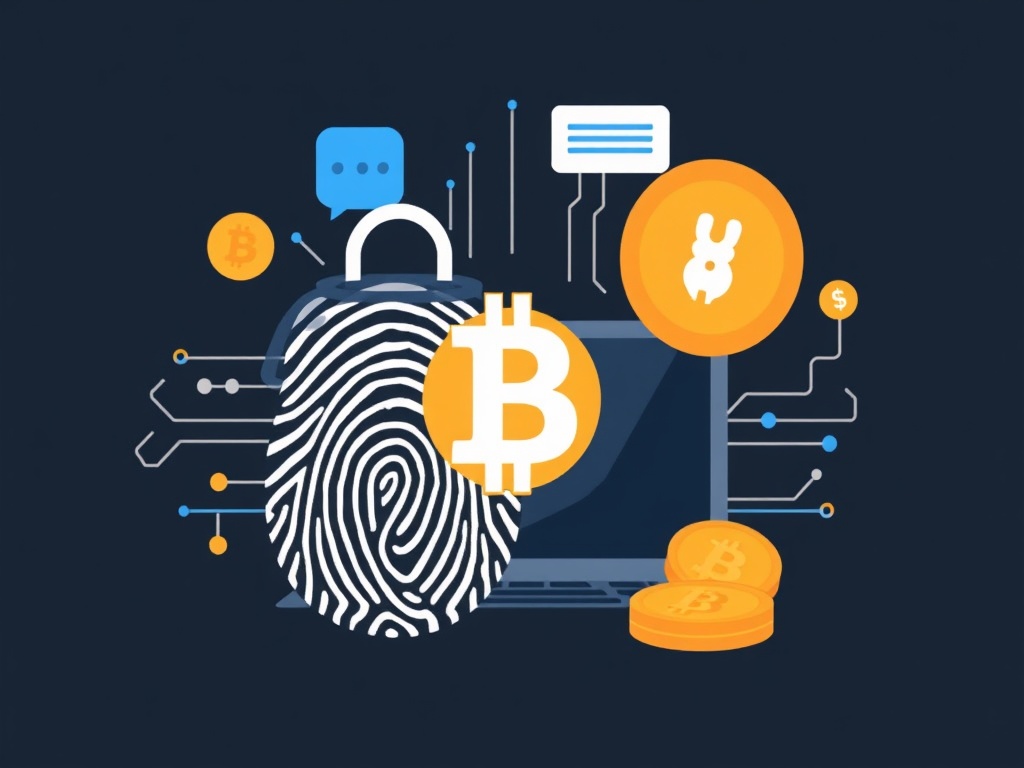
Wallet software fingerprinting refers to the process of identifying and tracking a user’s wallet application based on unique characteristics of the software. This technique leverages data points such as the wallet’s version, operating system, browser configuration, and even hardware specifications to create a "fingerprint" that can be used to trace transactions back to a specific user or device. While this might sound like a technical curiosity, its implications for privacy are profound, especially in the context of Bitcoin mixing services like BTCMixer.
The Technical Basis of Fingerprinting
At its core, wallet software fingerprinting relies on collecting metadata from a user’s device and software environment. For example, when a user interacts with a Bitcoin wallet, the application may send information about its version, the browser it’s running in, or the device’s screen resolution. These details, when combined, form a unique identifier. Attackers or malicious actors can then use this fingerprint to link multiple transactions or accounts to a single user, undermining the anonymity that Bitcoin is often associated with.
How It Differs from Traditional Tracking Methods
Unlike traditional tracking methods that rely on IP addresses or wallet addresses, wallet software fingerprinting operates at a more granular level. It doesn’t require direct access to a user’s wallet address but instead uses the software’s unique traits. This makes it a stealthier form of tracking, as users might not even realize their data is being collected. For BTCMixer users, this could mean that even after using a mixing service to obscure transaction paths, their wallet software could still be identified through fingerprinting techniques.
How Wallet Software Fingerprinting Works
Understanding the mechanics of wallet software fingerprinting is crucial for grasping its potential impact. This section breaks down the process into key stages, from data collection to analysis and tracking.
Data Collection: The First Step
The process begins with the collection of data from the user’s device and wallet software. This data can include:
- Wallet version: The specific version of the wallet application being used.
- Browser details: Information about the browser, such as its user agent string or installed plugins.
- Operating system: The OS version and type (e.g., Windows 10, macOS 12).
- Hardware specifications: Details like screen resolution, GPU model, or CPU type.
This information is often gathered passively, without the user’s explicit consent. For instance, a wallet might send this data to a server when syncing with the blockchain or during a transaction.
Analysis: Creating the Fingerprint
Once the data is collected, it is analyzed to create a unique fingerprint. This involves comparing the collected information against a database of known fingerprints. Advanced algorithms can identify patterns or anomalies that distinguish one wallet from another. For example, if two users have the same wallet version and browser configuration, their fingerprints might be nearly identical, making it easier to link their activities.
Tracking: Linking Transactions to Users
The final stage involves using the fingerprint to track transactions. If a user’s wallet software is fingerprinted, any subsequent transactions made with that wallet can be traced back to the original device or user. This is particularly dangerous for BTCMixer users, as the service is designed to anonymize transactions. However, if the wallet software is identifiable, the mixing process could be reversed, exposing the user’s original address.
Implications for Bitcoin Privacy and BTCMixer Users
The rise of wallet software fingerprinting has significant implications for Bitcoin privacy, especially for users relying on services like BTCMixer to maintain anonymity. This section explores the risks and challenges associated with this technique.
Threats to Anonymity
Bitcoin’s core promise is pseudonymity, meaning that while transactions are public, the identities of the parties involved are not. Wallet software fingerprinting undermines this by providing a way to link transactions to specific users. For BTCMixer users, who often use the service to obfuscate their transaction history, fingerprinting could reveal their true identities. This is a direct contradiction to the privacy goals of Bitcoin and similar cryptocurrencies.
Impact on BTCMixer Services
BTCMixer is designed to mix Bitcoin transactions, making it difficult to trace the flow of funds. However, if a user’s wallet software is fingerprinted, the mixing process could be compromised. For instance, if an attacker can identify the wallet software used by a BTCMixer user, they might be able to trace the mixed funds back to the original sender. This not only negates the purpose of BTCMixer but also exposes users to potential legal or financial risks.
Legal and Security Concerns
Beyond privacy, wallet software fingerprinting raises legal and security concerns. Governments or regulatory bodies could use fingerprinting to track illicit activities, such as money laundering or tax evasion. For BTCMixer users, this could mean increased scrutiny or even legal consequences if their transactions are linked to their devices. Additionally, the technique could be exploited by hackers to target users with phishing attacks or malware, further compromising their security.
Detecting and Preventing Wallet Software Fingerprinting
While wallet software fingerprinting is a powerful tool for tracking, there are ways to detect and mitigate its effects. This section outlines strategies that users and developers can employ to protect against this threat.
Tools for Detection
Several tools and techniques can help detect wallet software fingerprinting. These include:
- Browser extensions: Extensions like Privacy Badger or uBlock Origin can block the collection of sensitive data by wallets or third-party services.
- Fingerprint analysis software: Specialized tools can analyze a user’s device and software to identify potential fingerprinting attempts.
- Blockchain explorers: Some blockchain explorers now offer features to check if a transaction has been linked to a specific wallet or device.
However, these tools are not foolproof. As fingerprinting techniques evolve, so must the methods used to detect them.
Best Practices for Users
Users can take proactive steps to reduce the risk of wallet software fingerprinting. These include:
- Use privacy-focused wallets: Opt for wallets that prioritize anonymity and do not collect excessive metadata.
- Regularly update software: Keeping wallet software up to date can prevent vulnerabilities that might be exploited for fingerprinting.
- Avoid reusing devices: Using different devices for different wallets can make it harder to create a consistent fingerprint.
- Use VPNs or Tor: Masking the user’s IP address with a VPN or Tor network can add an extra layer of privacy.
Developer Responsibilities
Developers of wallet software also play a critical role in preventing fingerprinting. They should:
- Minimize data collection: Avoid sending unnecessary information to servers or third parties.
- Implement anti-fingerprinting measures: Techniques like randomizing user agent strings or using encrypted communication can help.
- Educate users: Provide clear guidance on how to protect their privacy and avoid fingerprinting risks.
Conclusion: The Future of Privacy in the BTCMixer Era
Wallet software fingerprinting represents a significant challenge to the privacy of Bitcoin users, particularly those relying on services like BTCMixer. As this technique becomes more sophisticated, it is essential for users, developers, and the broader cryptocurrency community to address its risks. By understanding how fingerprinting works and implementing robust countermeasures, users can better safeguard their anonymity. However, the battle against fingerprinting is ongoing, and continuous vigilance is required to adapt to new threats. In the context of BTCMixer, where privacy is a core value, staying informed and proactive is not just advisable—it is necessary.
Ultimately, the goal should be to create a digital ecosystem where users can transact freely without fear of being tracked. While wallet software fingerprinting is a current threat, it is not an insurmountable one. With the right tools, practices, and collaboration, the cryptocurrency community can continue to uphold the principles of privacy and security that define Bitcoin and its associated services.

Sarah Mitchell
Blockchain Research Director
Wallet Software Fingerprinting: A Critical Lens on Blockchain Security and Privacy
As Blockchain Research Director, I’ve spent considerable time analyzing the evolving landscape of digital asset management, and wallet software fingerprinting has emerged as a topic of both innovation and concern. At its core, wallet software fingerprinting refers to the practice of identifying unique characteristics of a wallet’s software environment—such as its codebase, dependencies, or runtime behavior—to distinguish it from others. While this technique can offer valuable insights for security audits or fraud detection, its implications extend far beyond mere technical utility. From a research perspective, I believe it’s essential to balance its potential benefits with the ethical and privacy risks it introduces. For instance, fingerprinting could help trace malicious actors who exploit compromised wallets, but it also raises questions about user anonymity. In my experience, the key challenge lies in standardizing how fingerprinting data is collected and used without infringing on user trust. Practitioners must ensure transparency, as opaque methods could lead to unintended consequences, such as discriminatory practices or data misuse. My work in smart contract security has shown that fingerprinting, when applied responsibly, can enhance threat modeling, but it requires rigorous safeguards to prevent abuse.
Practically, wallet software fingerprinting intersects with several critical areas of blockchain technology, including cross-chain interoperability and tokenomics. For example, in cross-chain systems, fingerprinting could verify wallet integrity across disparate networks, reducing risks of unauthorized asset transfers. However, this application demands precise calibration—overly aggressive fingerprinting might fragment user experiences or create compatibility issues. On the tokenomics front, fingerprinting could theoretically track wallet usage patterns to inform token distribution models or detect wash trading. Yet, I’ve observed that such data-driven approaches often clash with decentralization principles, which prioritize user control. My background in fintech consulting has taught me that practical solutions must align with user expectations. Wallet software fingerprinting, therefore, should not be a one-size-fits-all tool but a nuanced strategy tailored to specific use cases. The real test of its value will come from how well it integrates with existing security frameworks without compromising the decentralized ethos that underpins blockchain ecosystems. As research progresses, I advocate for collaborative frameworks that involve developers, regulators, and users to define ethical boundaries for this technology.